Caged Fixed Ladders · OSHA 1910.23 / EN ISO 14122-4
Roof Access Ladder with Cage
A fixed vertical ladder wrapped in a welded hoop cage for tall rooftop climbs. We build it in our Shijiazhuang plant from Q235B or stainless, then load-test every batch.
Gallery
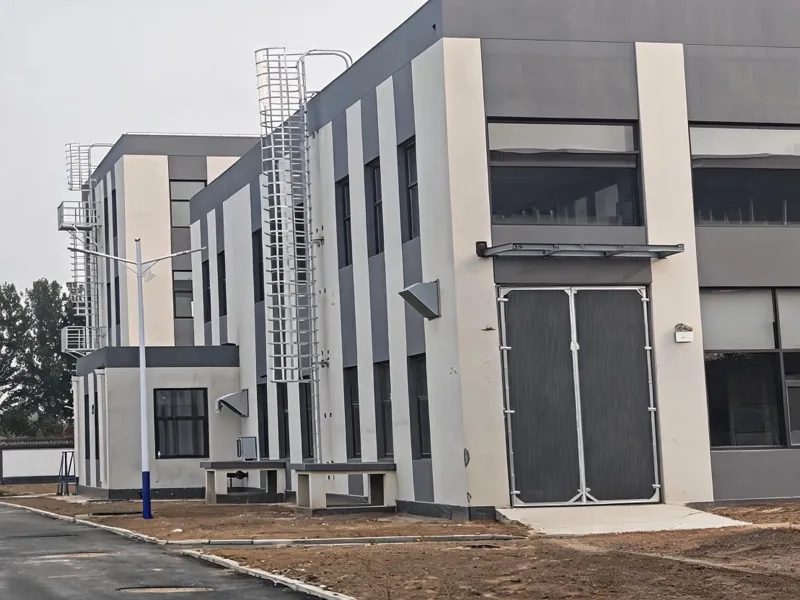
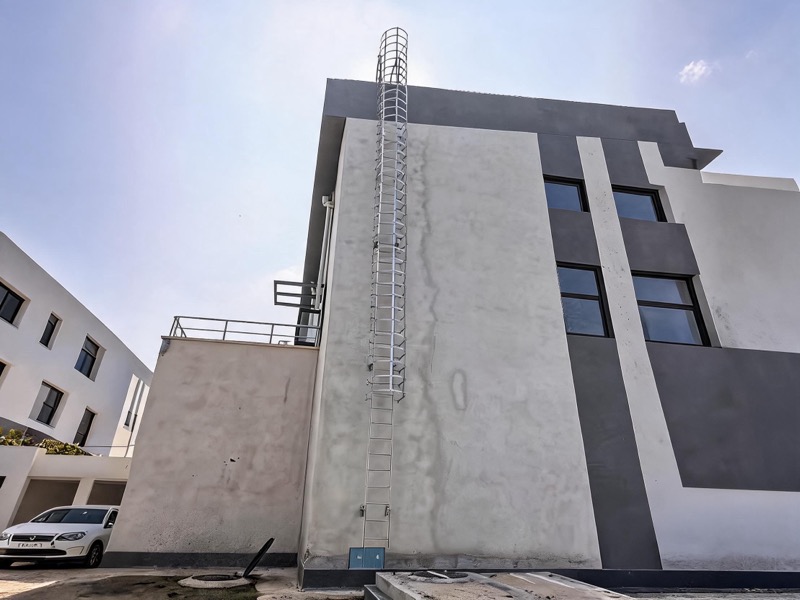
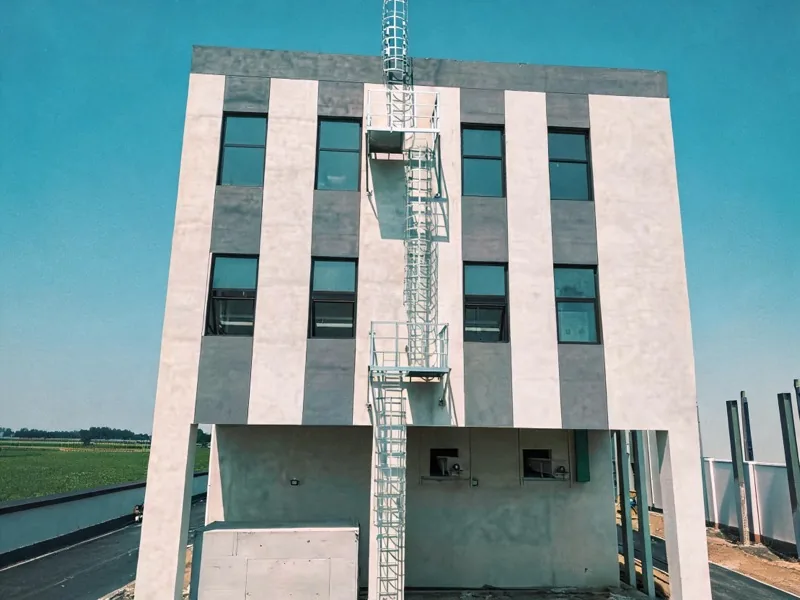 Rooftop access
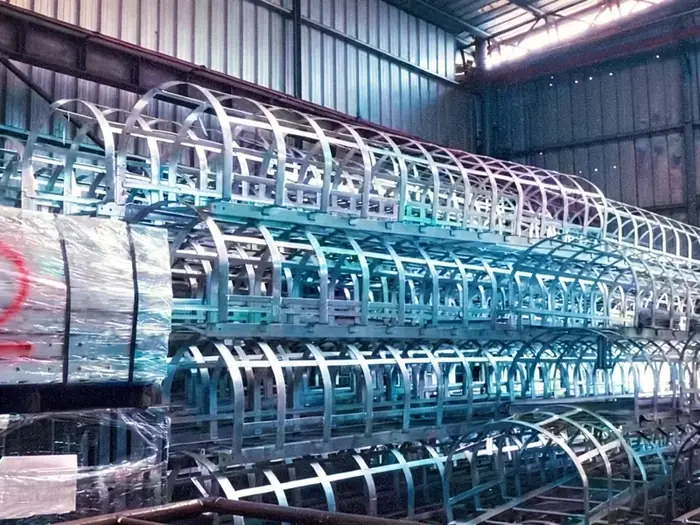 Warehouse run
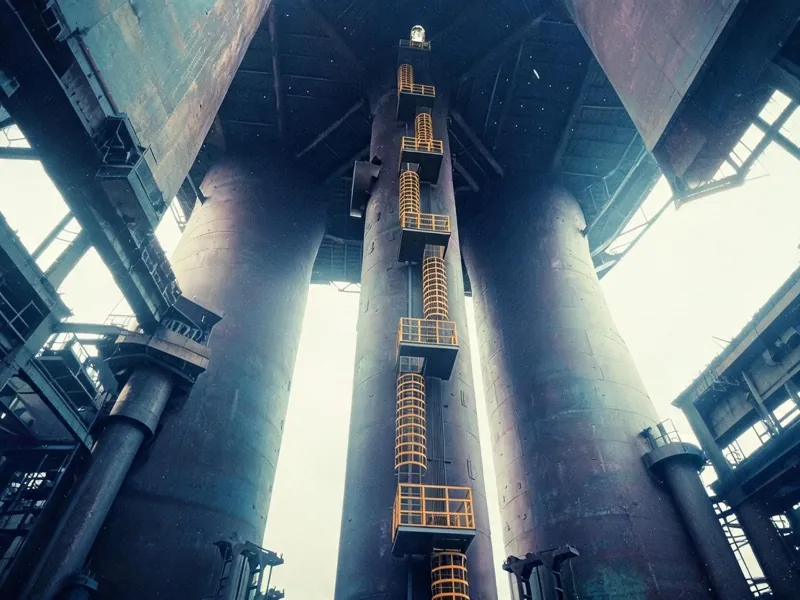 Heavy industry
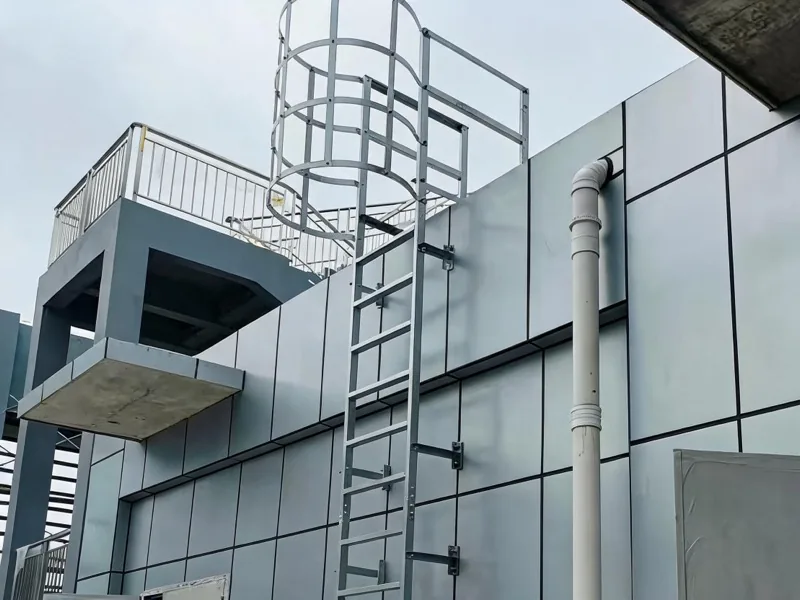
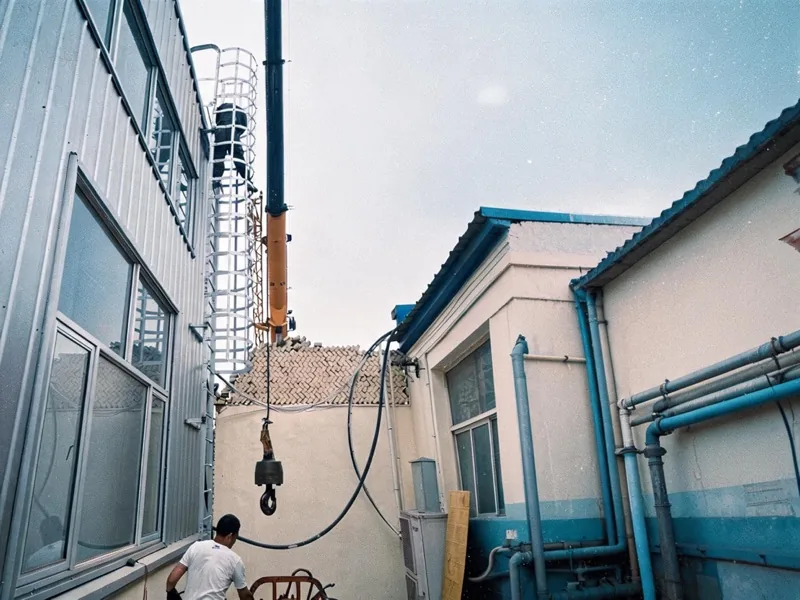 Roof-edge access
Product Overview
What Is a Roof Access Ladder with Cage?
A roof access ladder with cage is a fixed vertical ladder fitted with a hooped guard that catches a climber who slips backward on a long run. The cage is the old-school answer to fall risk on tall ladders. Some buyers call it a roof ladder with cage; the engineering is the same.
Here is the shift worth knowing. OSHA 1910.23(d) once required a cage above about 24 ft, but the 2017 rule pushed new tall ladders toward personal fall-arrest systems (PFAS), and cages on brand-new ladders are being phased toward a 2036 deadline. Europe's EN ISO 14122-4 still treats the cage as a valid guard where the fall height passes roughly 3 m. We quote both, then build to whichever code governs your site.
Because we sell straight from the factory, there is no middleman markup. Every caged access ladder ships with material certificates, weld reports, and load-test data, out of our ISO 9001:2015 plant. SGS or TÜV third-party inspection is available on request, and we welcome factory audits.
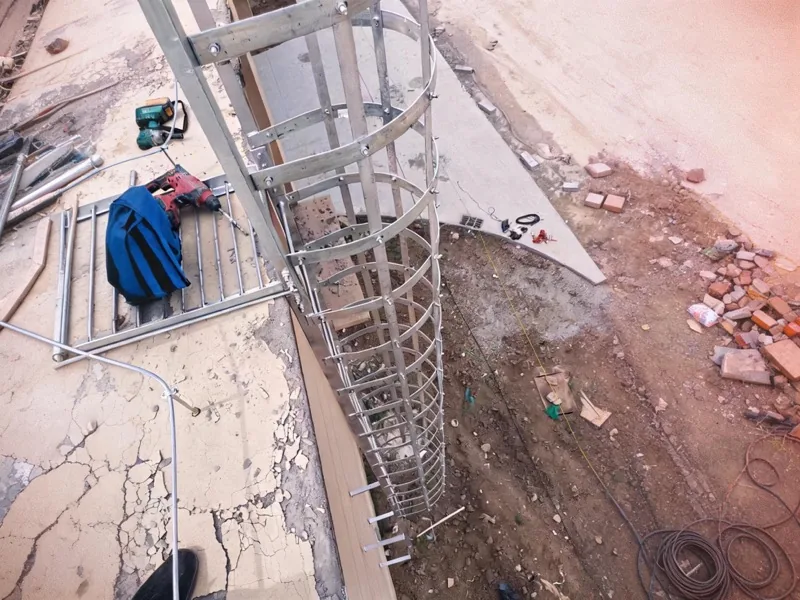
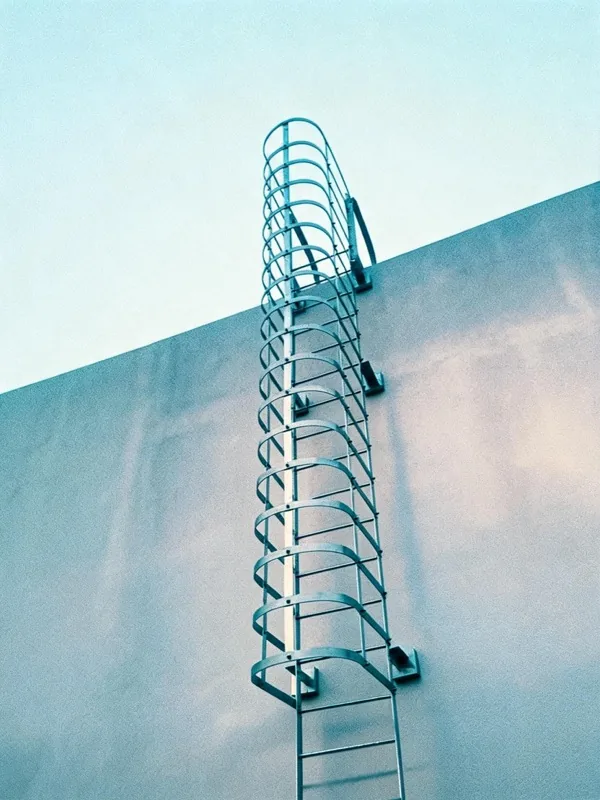
Safety cage detail — hooped guard with vertical bars
Technical Specifications
Specs & Materials for a Roof Access Ladder with Cage
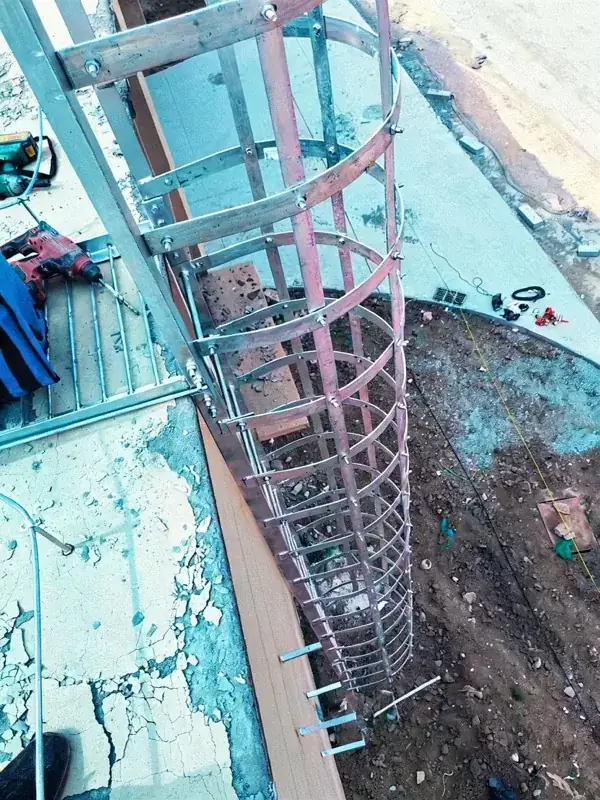
Welded cage hoops
Jig-welded to the stringers, batch-checked
Cage geometry at a glance
Typical caged dimensions. Final geometry is set to the governing code — OSHA 1910.23 for North America, EN ISO 14122-4 for Europe — and confirmed on the stamped shop drawing before we cut steel.
| Parameter | Value |
|---|---|
| Ladder type | Fixed vertical, caged |
| Stringer material | Q235B / SS304 / SS316 |
| Rung spacing | 250–300 mm |
| Rung diameter | 18–20 mm (solid / serrated) |
| Stile (side rail) | 60 × 10 mm flat bar |
| Cage hoop spacing | ≤ 1500 mm (EN ISO 14122-4) |
| Cage vertical bars | 5 bars, evenly spaced |
| Cage internal depth | 650–800 mm from rung |
| Cage start height | 2.1–2.4 m above base |
| Rung point load | 1.5 kN (EN ISO 14122-4) |
| Coating | HDG ~85 µm (ISO 1461) / 304 mill finish |
| Roof-edge fixing | Top standoff bracket + parapet/curb anchor |
| Standards | OSHA 1910.23 / 1910.28, EN ISO 14122-4 |
| Max single flight | 6 m before rest platform |
Standards & Compliance
OSHA 1910.23 / 1910.28 & EN ISO 14122-4 Cage Compliance

Caged ladder on a process tank
Process-tank access project (representative)
OSHA 1910.23 / 1910.28 cage geometry
For US-bound work we build the cage to OSHA 1910.23: hoops banded around the climb, the cage starting roughly 2.1–2.4 m above the base, running past the top landing. Note the 1910.28 transition — new tall ladders are moving to fall-arrest, with cages phased out by 2036 — so we quote either path.
EN ISO 14122-4 safety cage
For European sites the cage follows EN ISO 14122-4, used where the fall height passes about 3 m with no other guard. Hoops sit no more than 1.5 m apart with vertical bars between them, and cage depth holds in the 650–800 mm band from the rung.
Q235B or stainless steel
Standard cages are Q235B carbon steel. For coastal, food, or chemical sites we switch to SS304 or SS316. The grade is stamped on the certificate that travels with the order.
Hot-dip galvanized finish
Carbon-steel cages are hot-dip galvanized to roughly 85 µm per ISO 1461 for the section thickness, so the hoops shrug off rooftop rain and frost.
Installation & roof-edge integration
The ladder lands at the parapet or curb, where a top standoff bracket and edge anchor tie it into the roof structure. We pre-drill the brackets in the shop and ship a fixing layout, so the crew bolts up without field cutting.
Proven on export tank farms
For a recent tank-farm order we supplied caged units in SS304, each with a rest platform on the long climbs. Every unit cleared third-party load testing before sea freight — a habit from twenty-plus years of building fixed ladders.
Factory-direct, fully documented
Every ladder ships with material certificates, weld reports, and load-test data, straight from our ISO 9001:2015 plant. SGS or TÜV inspection on request; factory audits welcome; 50+ countries served.
Applications
Where Caged Roof Access Ladders Earn Their Keep
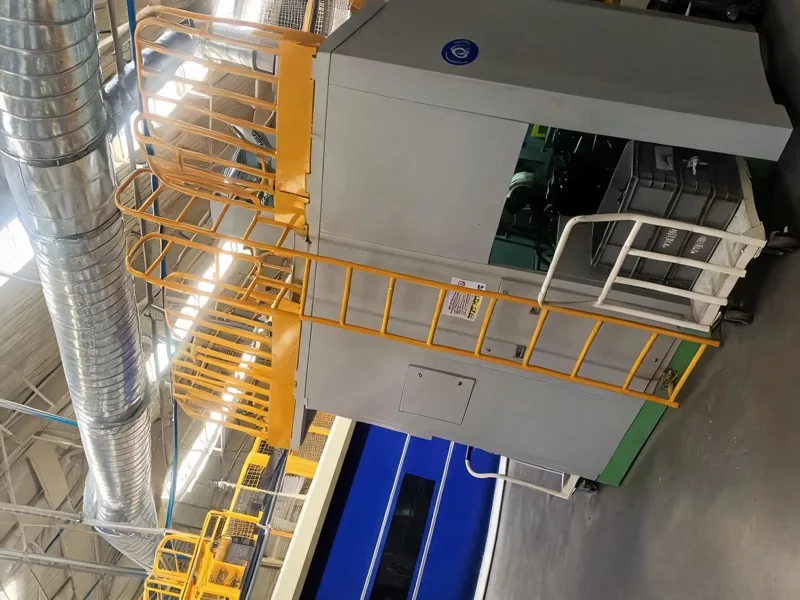
Cage Family
Related Caged Ladder Systems
FAQ
Frequently Asked Questions
Need a roof access ladder with cage quote?
Send the climb height and the governing standard. Our engineers return a stamped drawing, a cage-compliance note, and factory-direct pricing — usually inside one working day.